Villa Medici Timeline - Key Historical Milestones Explained
Explore the full historical timeline of Villa Medici in Rome: major owners, political shifts, artistic impact, and its role today.
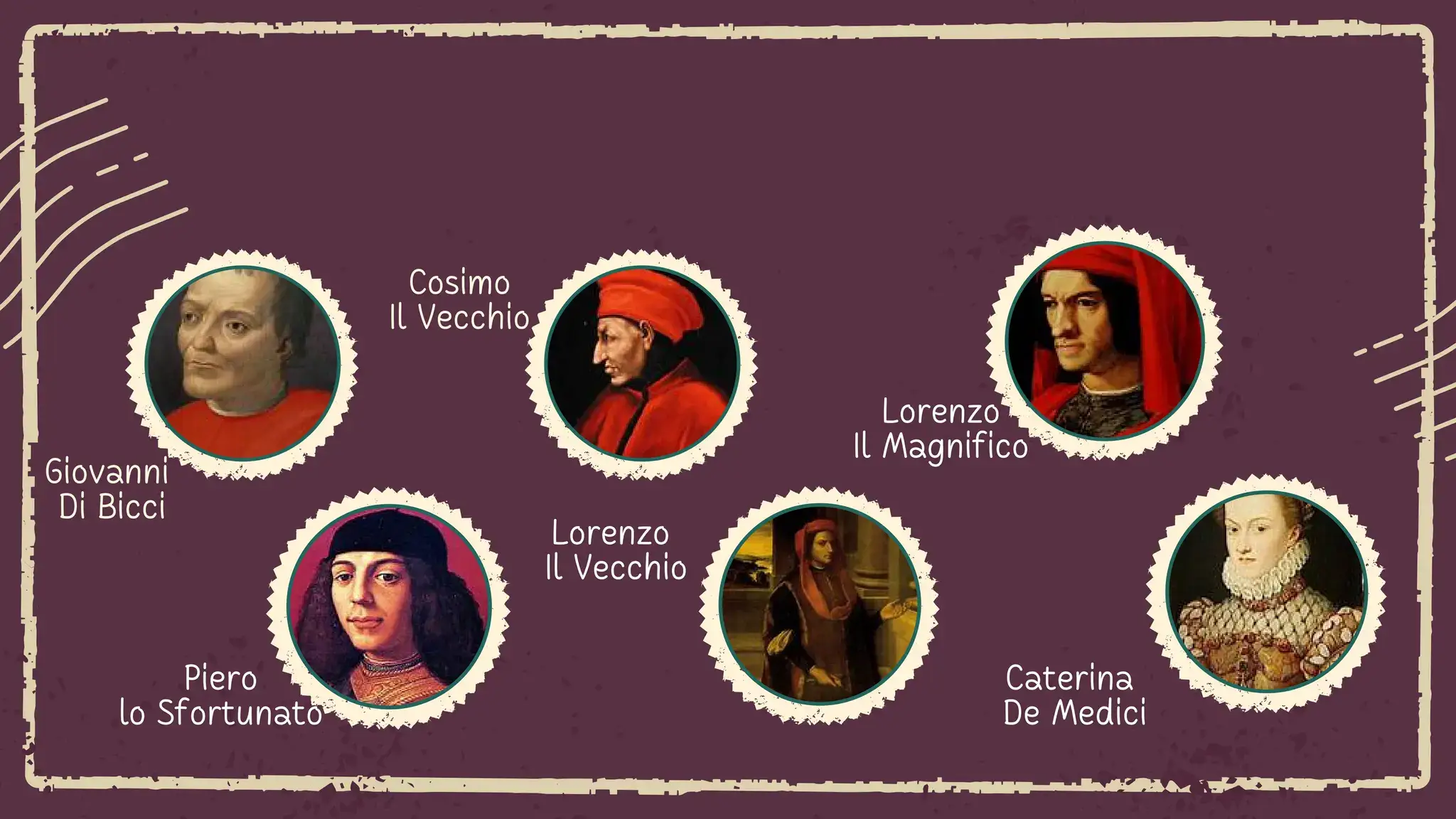
Villa Medici has lived multiple lives, and each one still echoes in the walls.
Timeline at a glance
- 16th century: Medici ambition takes architectural form.
- 17th-18th centuries: prestige, collecting, and visibility.
- 19th century onward: French Academy residency identity deepens.
- Today: active cultural platform, not a fossilized palace.
Long narrative timeline
I. The Medici vision
The Medici project in Rome was never merely residential. It was representational. The villa stood as an argument:
- we belong in the conversation of antiquity,
- we command taste,
- and we can encode authority through architecture.
II. Collection logic and symbolic capital
The villa absorbed antique references and artistic codes that aligned power with connoisseurship. The building was not a neutral container — it performed status.
III. A new institutional era
With the French Academy chapter, the villa shifted from dynastic emblem to creative laboratory. Residents arrived not to inherit prestige, but to produce work under pressure of history.
IV. Contemporary renewal
Now the site functions as a bridge:
- historical memory,
- active exhibitions,
- and international cultural dialogue.
Why this timeline matters for visitors
If you know the chronology, every room becomes legible:
- Medici message,
- adaptation phase,
- academy reinvention,
- present-day programming.
Interpretation key: At Villa Medici, continuity is built from strategic change.
Mini glossary
- Patronage: financing art to shape influence.
- Residency: temporary artistic stay linked to production.
- Belvedere: designed vantage point over landscape/city.
Think beyond dates
Think of this timeline as something you can physically walk. Each turning point is not abstract history; it is embodied in the way rooms are organized, where views are framed, and how language of prestige is repeated across centuries.
When guides reference one date or one patron, try linking that fact to one visual cue you can see immediately. Date + detail is a powerful memory pair, and it turns historical information into spatial understanding.
By the end of your visit, you are not just remembering "what happened when" — you are feeling how institutions inherit, edit, and repurpose meaning over time.
Bottom line
Villa Medici history is less a straight line than a spiral: each era returns to older symbols, then bends them toward new cultural goals.
著者について

Rome Heritage Editor
このガイドは、SNSの短い印象だけでは捉えきれないヴィラ・メディチの魅力を、旅人がより深く理解できるように作成しました。芸術的重み、歴史の層、人間的な物語を知ることで、実用面の安心感と感情的な充実感の両方を得た訪問につなげることを目的としています。
Tags
Comments (0)
Loading comments...