From Roman roots to a living academy of art
At Villa Medici, every courtyard, statue, and terrace holds a chapter of Europe’s cultural memory.
Table of Contents
Ancient traces beneath the hill
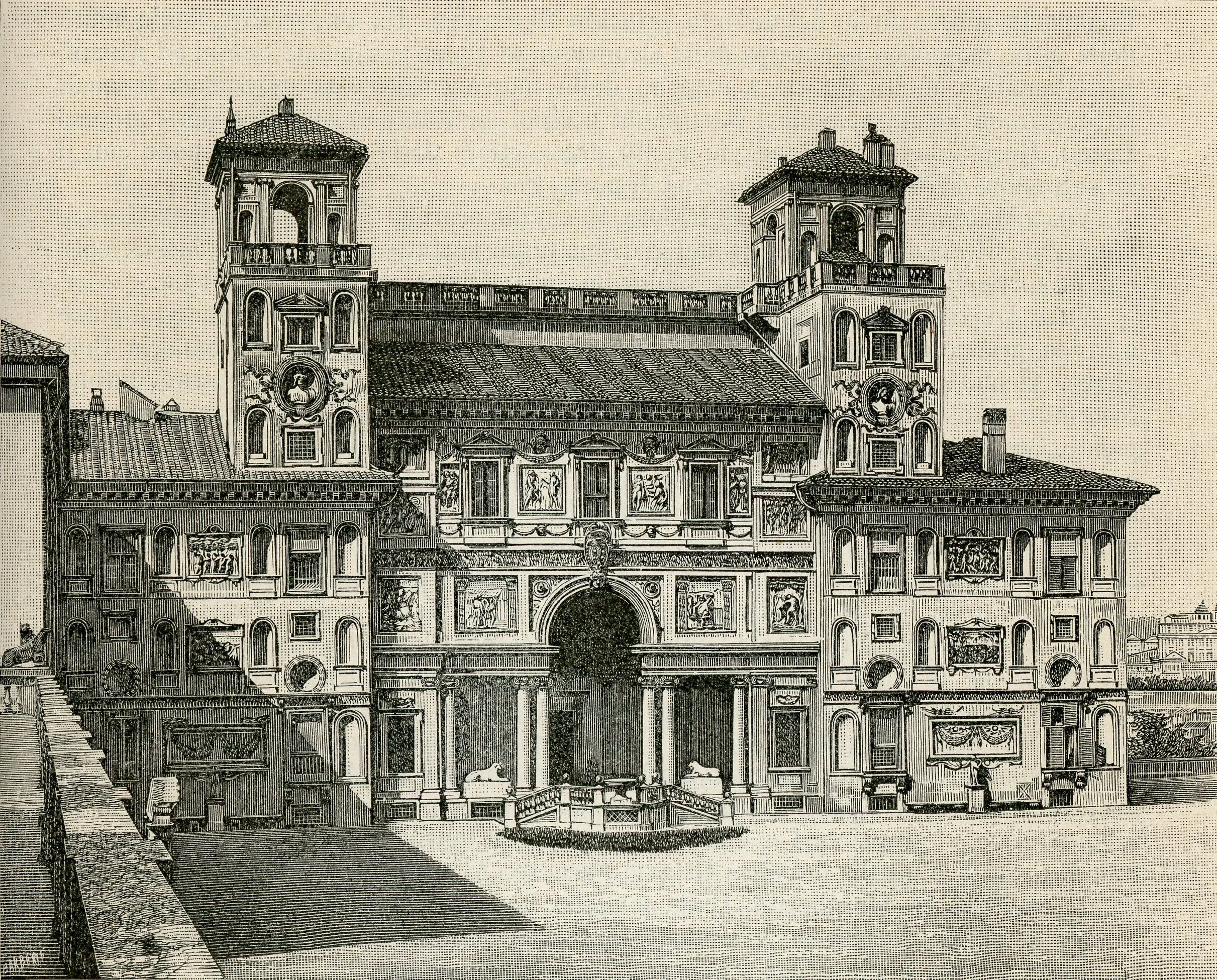
Before Villa Medici became a Renaissance icon, the Pincian Hill already held centuries of Roman life beneath its soil. This elevated zone, overlooking what is now the heart of the historic center, was tied to elite residences in antiquity and to the broader social geography of ancient Rome, where topography itself signaled status. Archaeological traces found over time remind us that the villa does not stand in historical isolation: it rises above a palimpsest of walls, foundations, gardens, and routes that connected political, residential, and sacred spaces.
To understand Villa Medici, it helps to imagine Rome as a city that constantly builds upon itself. Stones are reused, paths are redirected, and meanings shift from era to era without fully erasing what came before. The hill therefore acts as a cultural archive in three dimensions: antiquity in the ground, Renaissance ambition in the architecture, and modern institutional life in daily activity. Visiting today means walking through all three at once, often within a few steps.
The Medici vision in Renaissance Rome
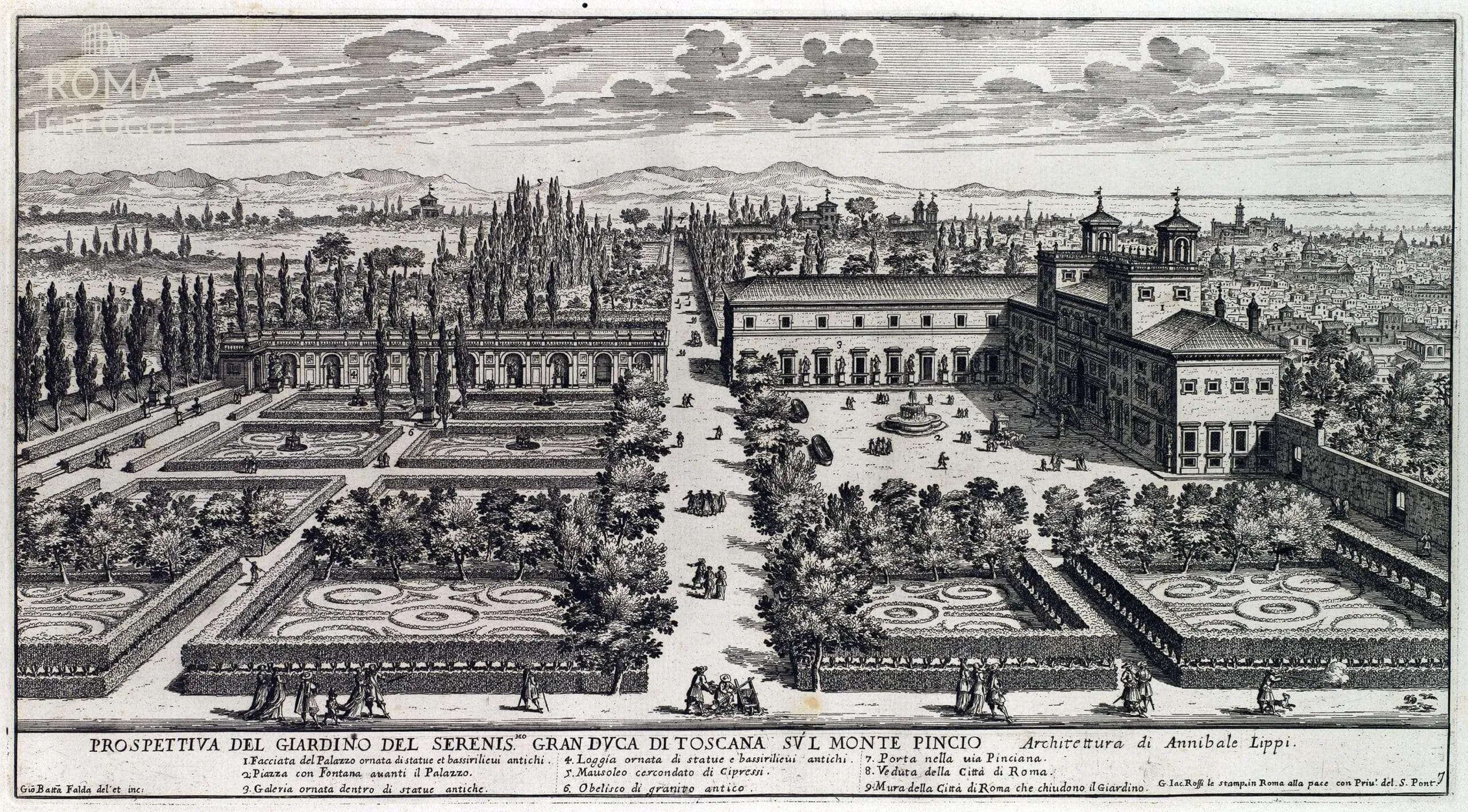
In the sixteenth century, Cardinal Ferdinando de’ Medici transformed the property into one of the most sophisticated residences in Rome. This was not just a private domestic project; it was a cultural and political statement. The Medici family, already associated with artistic patronage in Florence, used the villa to project prestige in the papal capital, aligning themselves with classical erudition, contemporary taste, and diplomatic relevance. Architecture became rhetoric: facades, proportions, decorative cycles, and collections all communicated authority.
What makes this phase so fascinating is the balance between display and intelligence. Villa Medici was designed to impress visitors, certainly, but also to stage ideas about lineage, learning, and the relationship between modern patrons and ancient Rome. The villa’s spaces encouraged conversation among diplomats, scholars, and artists; each detail participated in a broader language of power. Even now, when you stand in its courtyards, you can sense how carefully the setting was orchestrated to make culture and prestige appear inseparable.
A villa of collections, symbols, and prestige
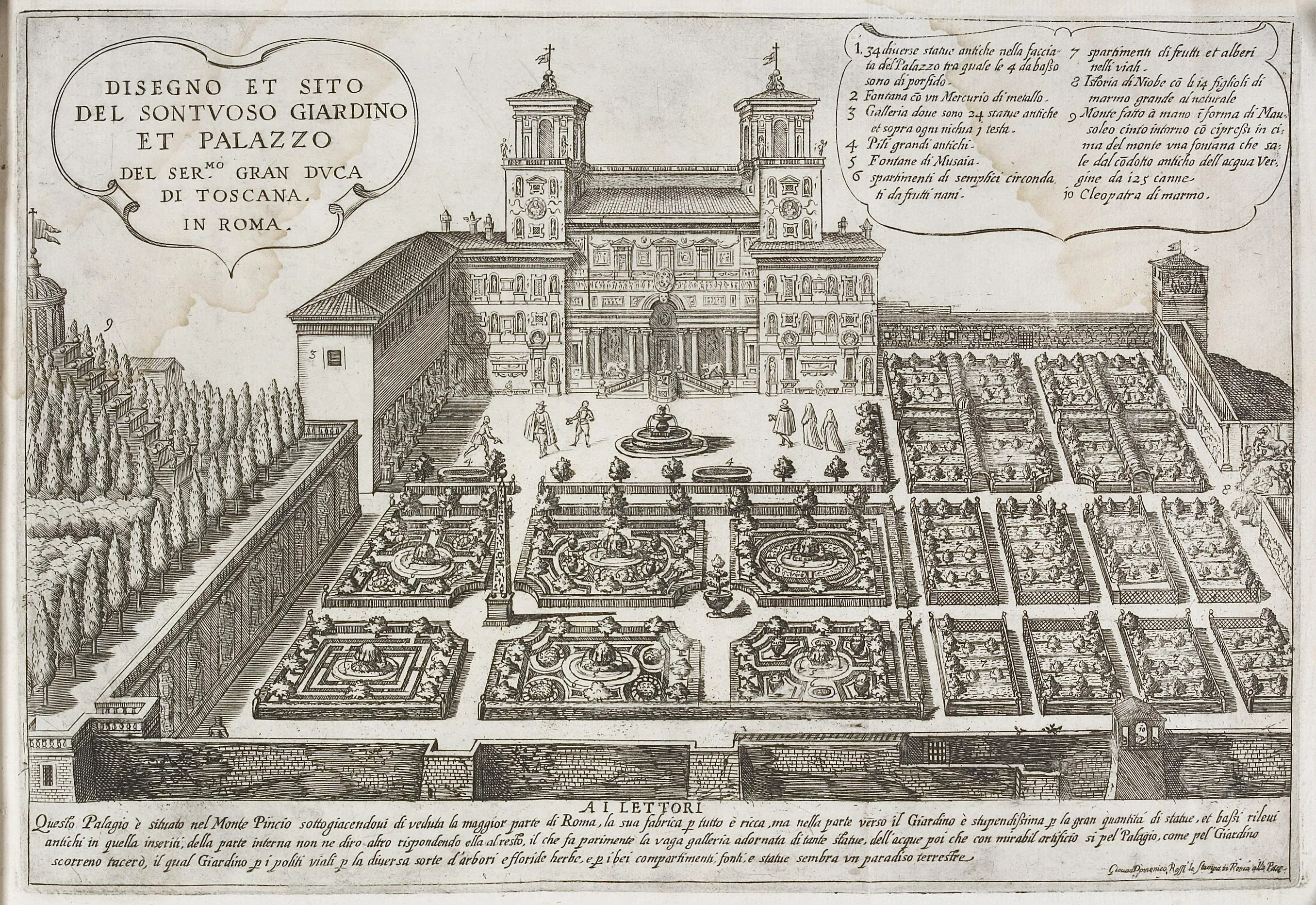
One of the most intriguing aspects of Villa Medici is how collecting shaped its identity. In Renaissance culture, to collect antiquities was not merely to own beautiful objects; it was to claim participation in the authority of the ancient world. Sculpture fragments, inscriptions, reliefs, and decorative references transformed the residence into a curated narrative, where each object was both aesthetic ornament and intellectual argument.
Visitors in the early modern period would have read the villa almost like a text. They interpreted iconography, compared references to classical literature, and assessed the owner’s cultural sophistication through what was displayed and how it was arranged. In this sense, Villa Medici functioned as a theater of knowledge, where beauty and scholarship reinforced each other. Today, guided interpretation helps modern audiences recover that layered experience, making the site feel astonishingly contemporary in its curatorial logic.
Gardens as theater, science, and status
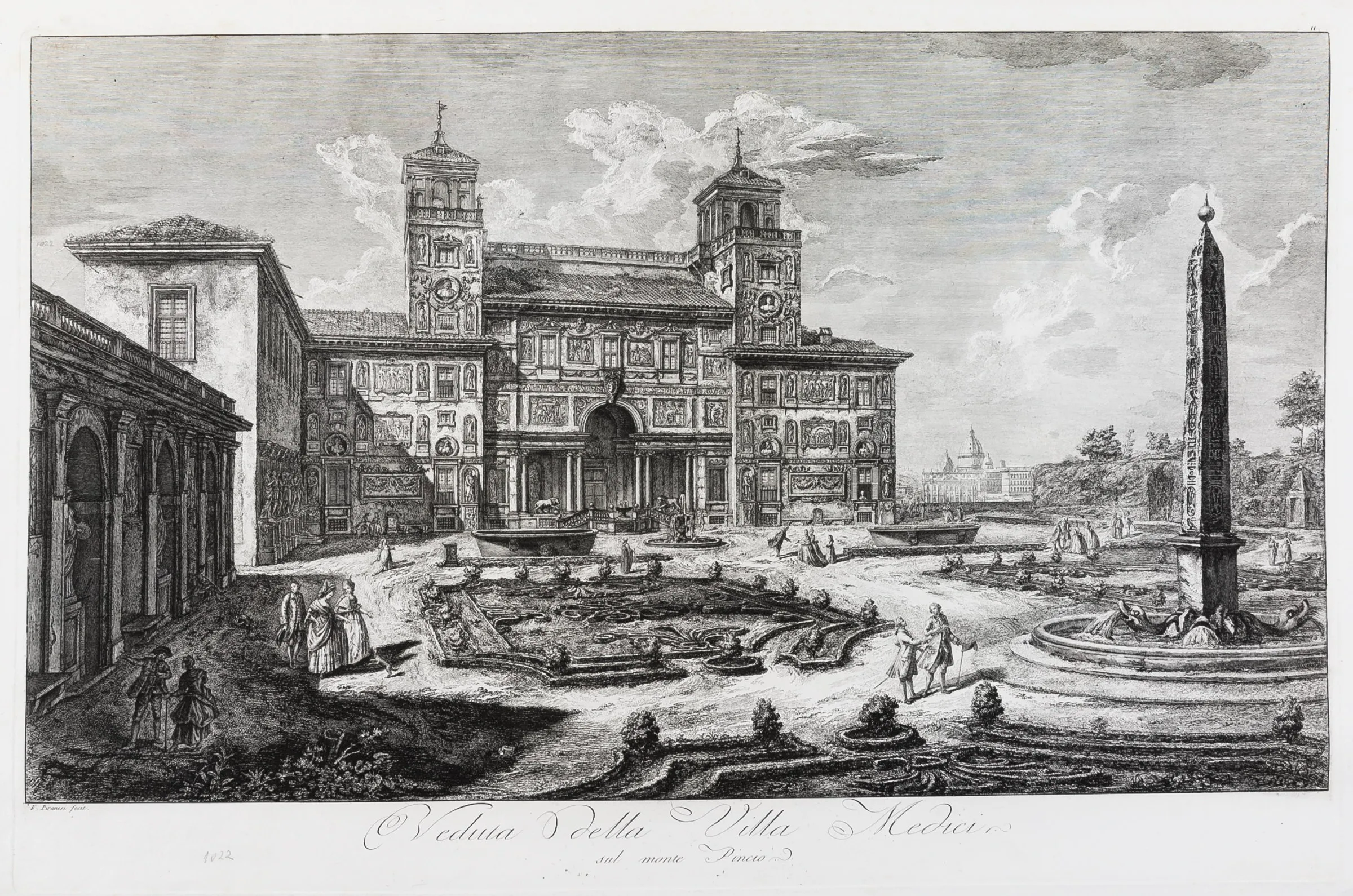
The gardens of Villa Medici are not simple decorative appendices; they are integral to the meaning of the place. In Renaissance and early modern culture, gardens operated as spaces of representation, contemplation, and experiment. Geometric layouts, plant selections, water elements, and sculptural placements were designed to guide movement and perception, turning the act of walking into a carefully choreographed visual and intellectual experience.
At Villa Medici, this garden tradition takes on a distinctly Roman character. The dialogue between cultivated nature and distant urban skyline creates a subtle dramatic tension: intimate greenery in the foreground, imperial city in the background. Historically, such framing also conveyed status—command of land, taste, and perspective. For modern visitors, it offers one of the rare moments in central Rome where contemplation feels both private and historically charged.
From aristocratic residence to French institution
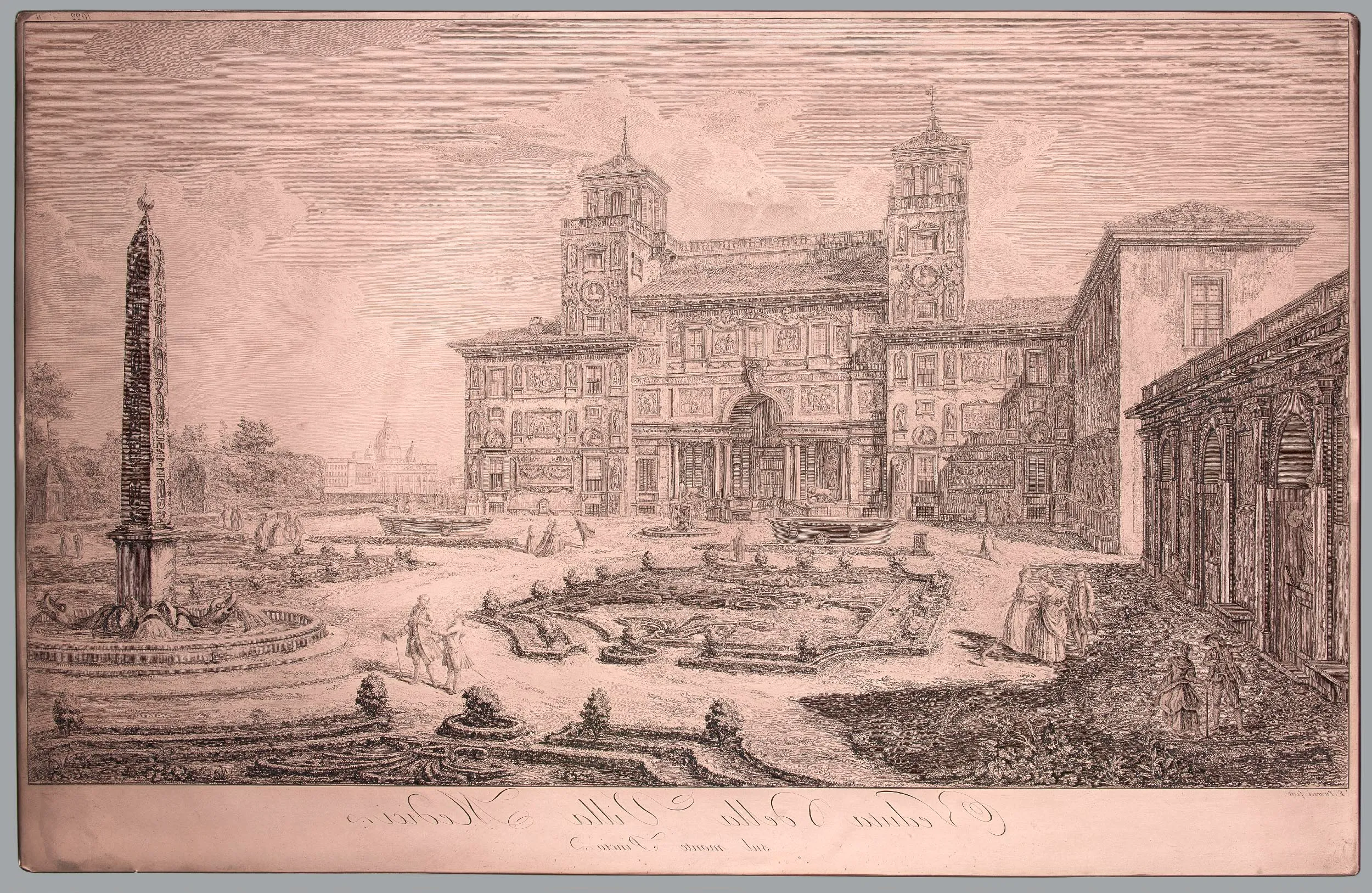
A decisive chapter began when the villa entered French institutional history and became associated with what is now the French Academy in Rome. This transition changed the social function of the site: from aristocratic representation to a structured environment for artistic education and research. The transformation did not erase the Medici legacy; instead, it reinterpreted it, turning inherited prestige into a framework for cultural production.
This institutional continuity is one reason Villa Medici remains so compelling. Many historic residences become static monuments; Villa Medici became a working organism. Its spaces adapted to new pedagogies, artistic disciplines, and intellectual priorities while preserving their historical aura. The result is a rare historical equilibrium: the villa is both archive and laboratory, memory and experiment.
The French Academy and the Grand Tour imagination
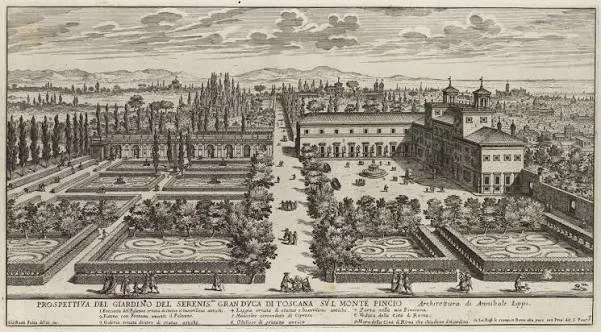
For generations of European artists, Rome represented a necessary encounter with antiquity, and Villa Medici became one of the privileged spaces where that encounter was disciplined, debated, and transformed into new work. During the broader era of the Grand Tour, the city attracted painters, sculptors, architects, and intellectuals seeking both technical formation and symbolic legitimacy. Villa Medici offered structure to that ambition.
Residents did not simply copy ancient models; they negotiated with them. They studied proportion, anatomy, ruins, and urban composition, then reworked those lessons through the aesthetics of their own time. This pedagogical tension between reverence and reinvention helped shape European visual culture far beyond Rome. In that sense, Villa Medici functioned as a transmission point where local heritage became international language.
Artists in residence: discipline and discovery
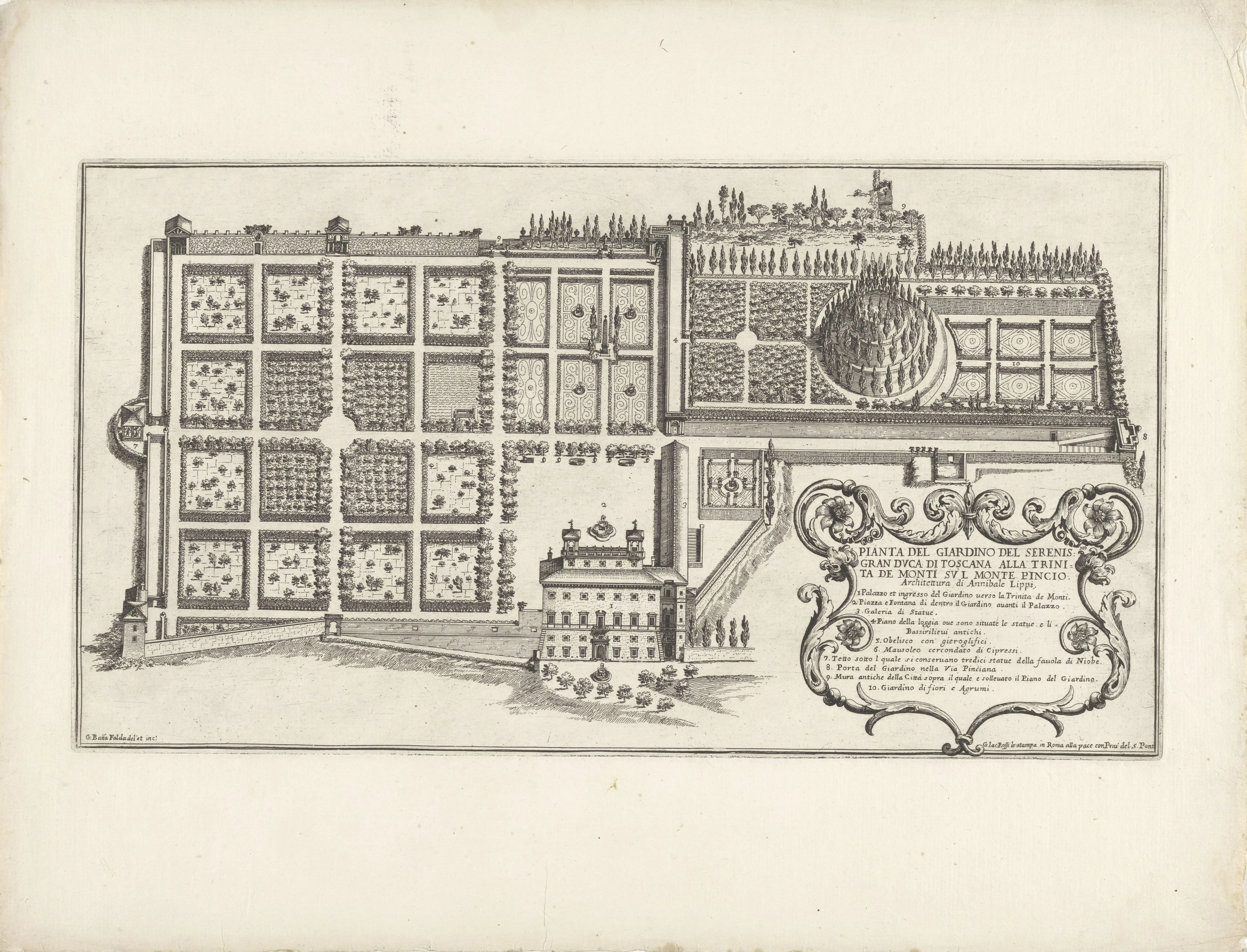
A particularly human dimension of Villa Medici emerges in the daily life of residents. Behind the monumental facades, the site has hosted long periods of concentrated practice: drawing studies, compositional experiments, musical drafts, literary notes, and conversations that continued late into the evening. The romance of artistic genius often hides the reality of routine, and Villa Medici preserves that reality beautifully: creation here has always meant time, rigor, and patience.
At the same time, residence life has historically encouraged cross-disciplinary exchange. A sculptor might influence a composer’s sense of rhythm; an architect might reshape a writer’s spatial imagination; a historian might challenge an artist’s assumptions about the past. This culture of dialogue remains one of the villa’s most valuable legacies, reminding us that creativity grows strongest where expertise meets curiosity.
Architecture, restoration, and historical layers
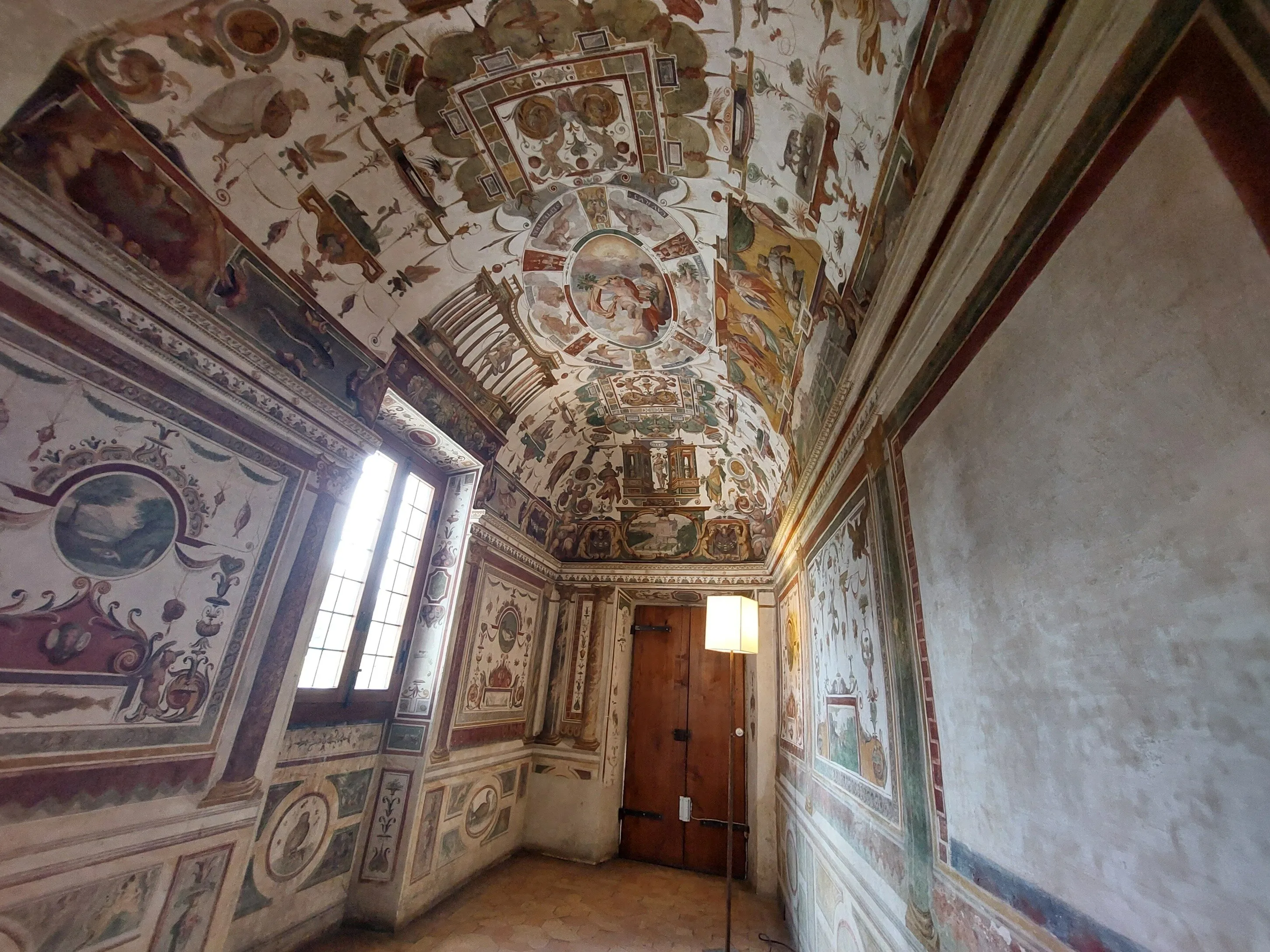
Like every major historic complex in Rome, Villa Medici is the result of continuous care, adaptation, and restoration. Conservation work here involves difficult choices: how to stabilize surfaces without flattening historical character, how to open spaces safely without over-modernizing them, and how to interpret incomplete evidence responsibly. These decisions are rarely visible at first glance, yet they shape every visitor’s experience.
Seen closely, the villa reveals an extraordinary patchwork of periods—materials repaired, decorative programs reframed, spatial uses updated to meet contemporary cultural needs. Rather than reducing the monument to a single "authentic" moment, this layered condition tells a more honest story of heritage: important places survive not because they remain untouched, but because each generation invests in understanding and caring for them.
Villa Medici in modern cultural life
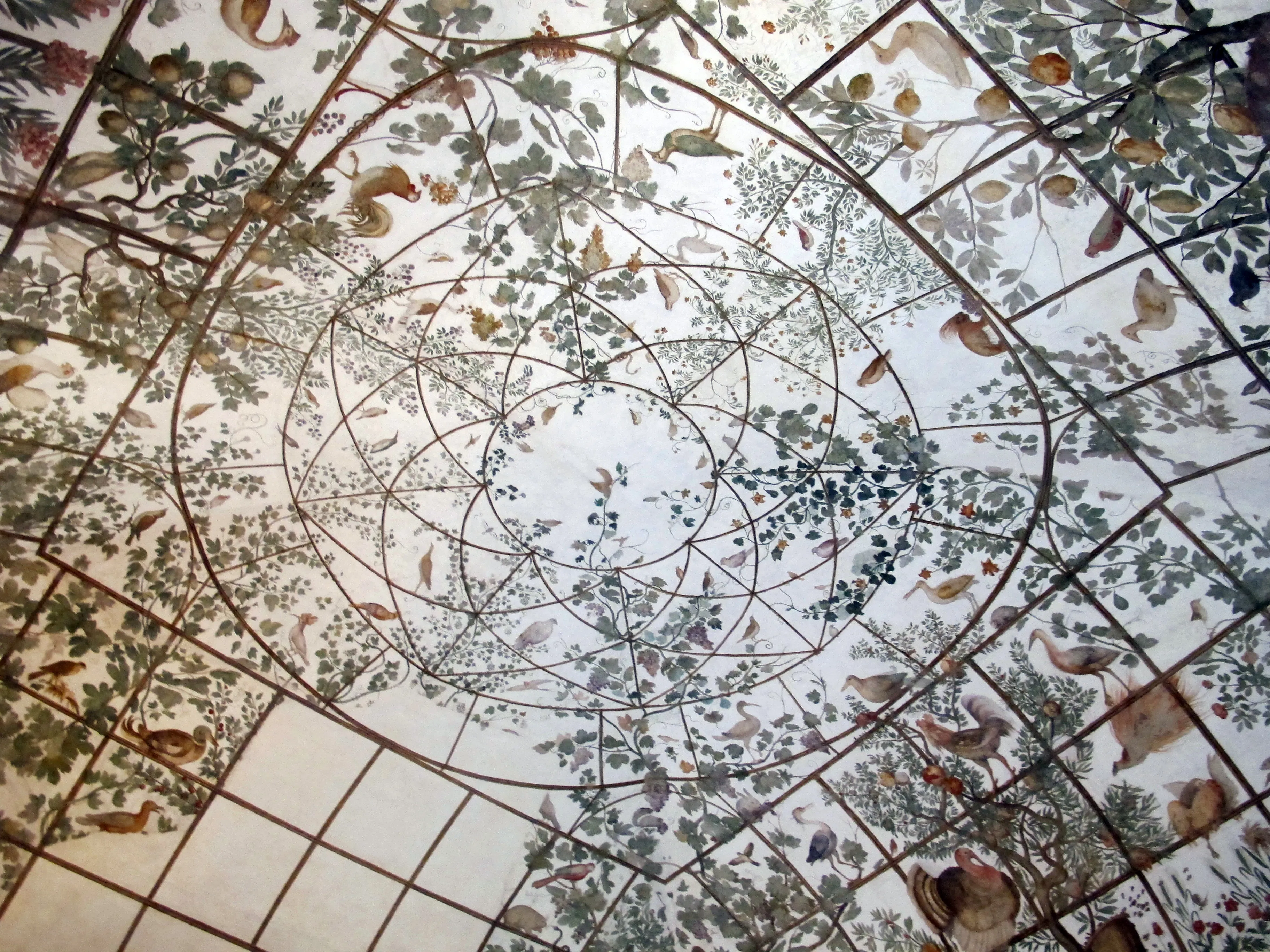
Today, Villa Medici is deeply engaged with contemporary culture. Exhibitions, performances, public talks, screenings, and interdisciplinary projects bring new audiences into dialogue with historical space. This active programming prevents the villa from becoming a silent backdrop; instead, it remains a place where present-day questions are tested against long historical memory.
What makes this dynamic especially meaningful is the contrast between setting and content. A cutting-edge installation might appear beneath Renaissance vaults; a contemporary performance might unfold in a courtyard once used for aristocratic ceremony. These juxtapositions are not gimmicks—they reveal how living institutions can honor heritage while speaking directly to the intellectual and social urgencies of their own time.
How to read the villa as a visitor
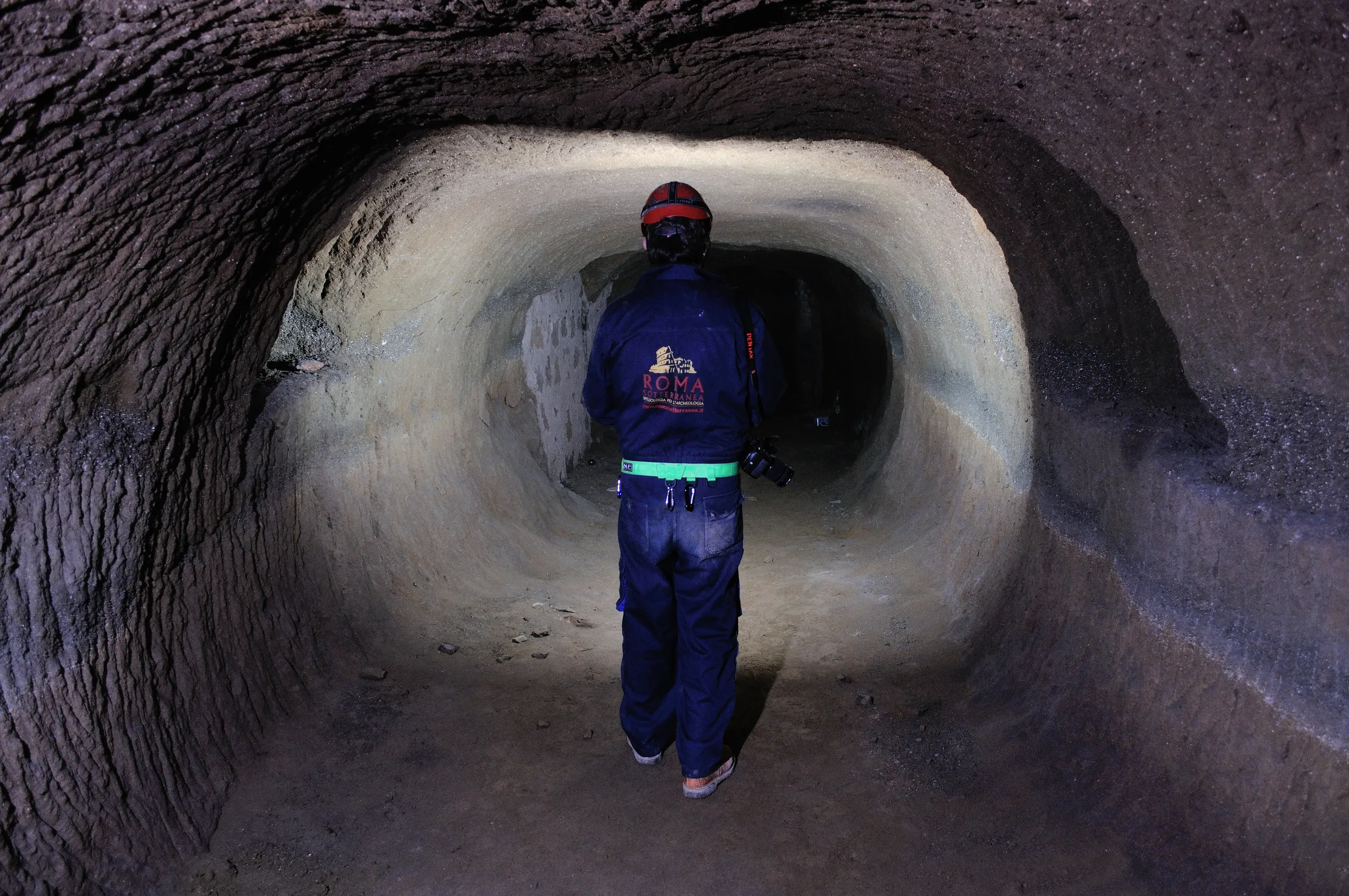
A rewarding Villa Medici visit begins with a shift in mindset: instead of asking "What do I see first?" ask "What does this place want to tell me?" Notice alignments between courtyards and views, transitions between interior and exterior, and the way symbolic details are distributed across walls and paths. The villa was designed to be read spatially, almost like a sequence of arguments rather than a list of rooms.
If possible, revisit certain elements during the tour—an inscription, a statue, a perspective line toward the city. Meanings often deepen the second time you look. Also pay attention to your own movement: where you slow down, where your gaze lifts, where silence appears naturally. These embodied reactions are part of the historical design logic, and recognizing them can transform a pleasant visit into a memorable cultural experience.
Legends, anecdotes, and curious details
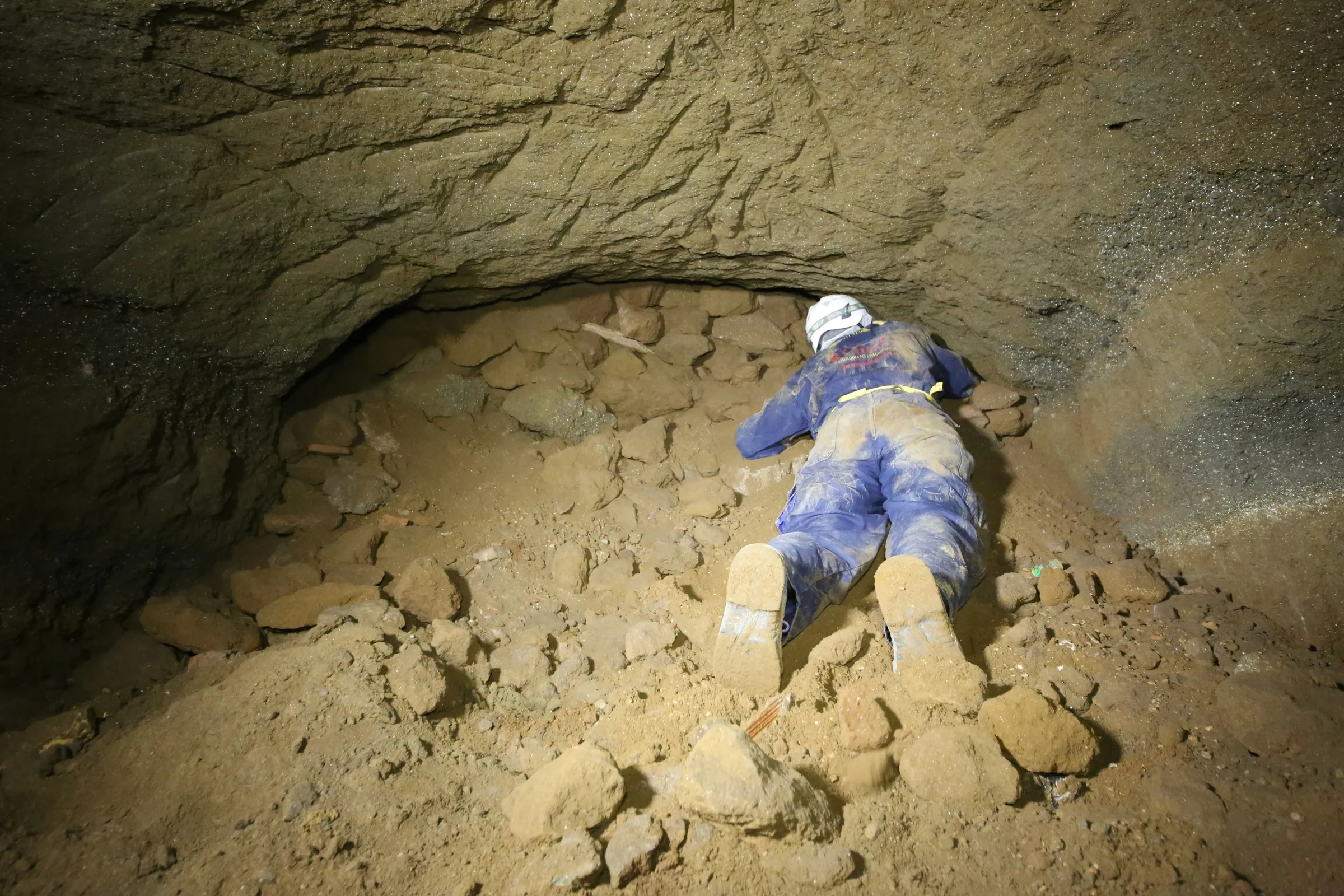
Like many Roman landmarks, Villa Medici accumulates stories that blend documented fact with evocative legend. Visitors and residents across centuries have described hidden symbolic programs, enigmatic decorative choices, and personal rituals linked to specific spaces in the gardens. Even when a tale is partially embellished, it often reveals something true about how people emotionally inhabited the villa: as a place of ambition, reflection, rivalry, and reinvention.
One delightful aspect of these anecdotes is their scale. Some concern major historical figures and institutional turning points; others revolve around small gestures—a favored bench at sunset, a window chosen for sketching, a repeated walking route before beginning work. Together, these fragments remind us that heritage is not only built by grand events but also by repeated, intimate acts of attention.
The Pincian setting and Rome’s urban panorama
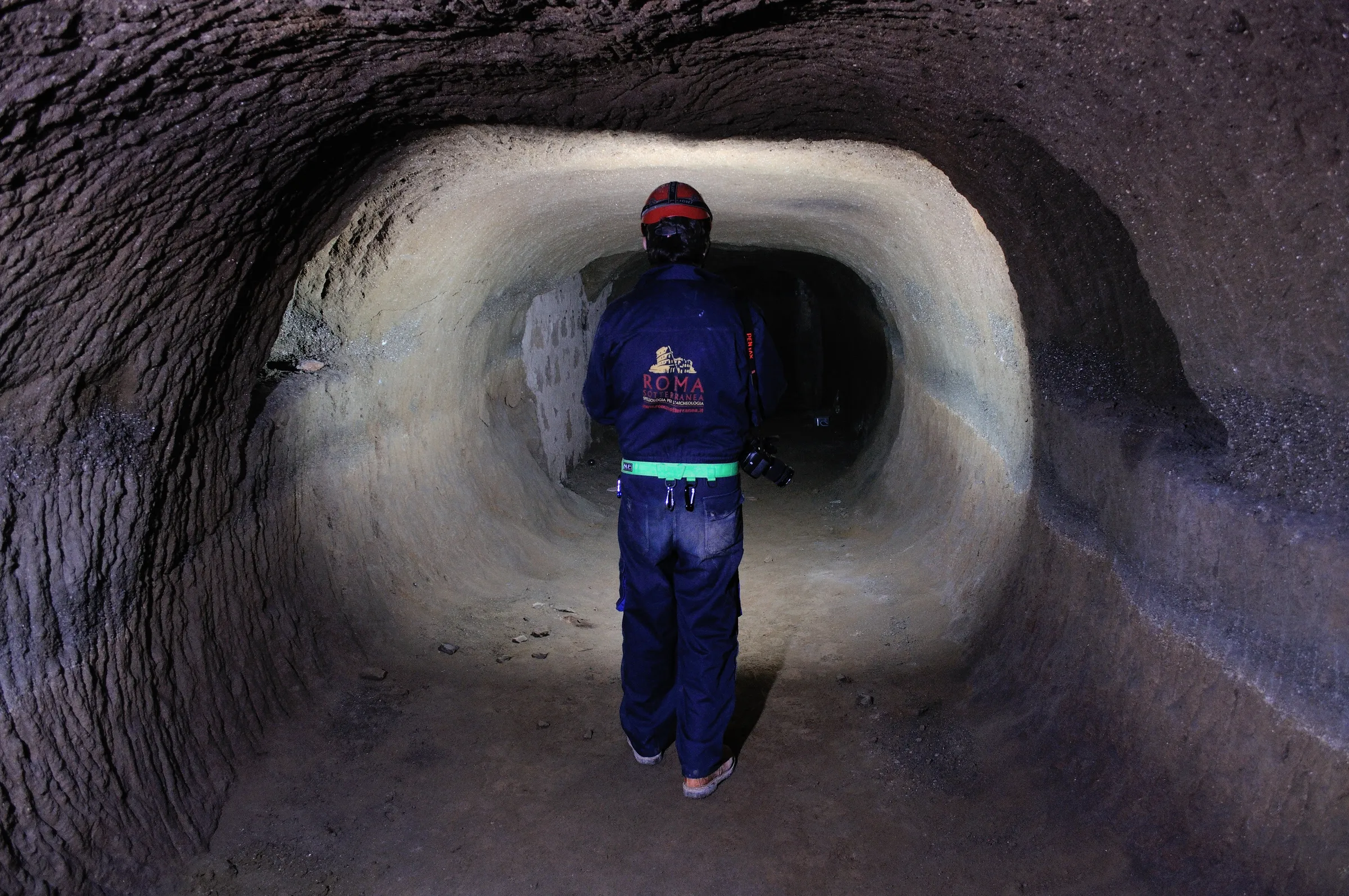
Villa Medici’s position is one of its great privileges. The Pincian Hill offers a commanding yet gentle perspective over Rome, where domes, bell towers, rooflines, and distant monuments compose a layered horizon that changes with light and weather. Morning clarity, afternoon warmth, and evening glow each reveal different relationships between architecture and landscape.
This panorama is not just photogenic; historically, it shaped how visitors understood Rome itself. Seeing the city from above encouraged synthetic thinking—linking ancient remains, papal interventions, modern streets, and daily life into a single visual field. In practical terms, it also makes Villa Medici easy to pair with nearby walks through Trinità dei Monti, the Pincio terraces, and Piazza del Popolo, creating one of the most elegant cultural itineraries in central Rome.
Why Villa Medici still matters today
Villa Medici matters because it demonstrates that heritage can be both deeply rooted and dynamically alive. It preserves Renaissance ambition, ancient references, institutional memory, and artistic experimentation in one coherent environment. In a time when cultural sites are often consumed quickly, the villa invites a different rhythm: slower looking, richer context, and sustained dialogue between past and present.
For travelers, scholars, and curious residents alike, that invitation feels increasingly precious. The villa teaches that beauty is not superficial decoration, but a structured way of thinking about space, history, and human aspiration. Leaving the site, many visitors carry more than photographs: they carry a sharpened sense of how cities remember, how institutions evolve, and how art continues to shape civic imagination across generations.
Table of Contents
Ancient traces beneath the hill
Before Villa Medici became a Renaissance icon, the Pincian Hill already held centuries of Roman life beneath its soil. This elevated zone, overlooking what is now the heart of the historic center, was tied to elite residences in antiquity and to the broader social geography of ancient Rome, where topography itself signaled status. Archaeological traces found over time remind us that the villa does not stand in historical isolation: it rises above a palimpsest of walls, foundations, gardens, and routes that connected political, residential, and sacred spaces.
To understand Villa Medici, it helps to imagine Rome as a city that constantly builds upon itself. Stones are reused, paths are redirected, and meanings shift from era to era without fully erasing what came before. The hill therefore acts as a cultural archive in three dimensions: antiquity in the ground, Renaissance ambition in the architecture, and modern institutional life in daily activity. Visiting today means walking through all three at once, often within a few steps.
The Medici vision in Renaissance Rome
In the sixteenth century, Cardinal Ferdinando de’ Medici transformed the property into one of the most sophisticated residences in Rome. This was not just a private domestic project; it was a cultural and political statement. The Medici family, already associated with artistic patronage in Florence, used the villa to project prestige in the papal capital, aligning themselves with classical erudition, contemporary taste, and diplomatic relevance. Architecture became rhetoric: facades, proportions, decorative cycles, and collections all communicated authority.
What makes this phase so fascinating is the balance between display and intelligence. Villa Medici was designed to impress visitors, certainly, but also to stage ideas about lineage, learning, and the relationship between modern patrons and ancient Rome. The villa’s spaces encouraged conversation among diplomats, scholars, and artists; each detail participated in a broader language of power. Even now, when you stand in its courtyards, you can sense how carefully the setting was orchestrated to make culture and prestige appear inseparable.
A villa of collections, symbols, and prestige
One of the most intriguing aspects of Villa Medici is how collecting shaped its identity. In Renaissance culture, to collect antiquities was not merely to own beautiful objects; it was to claim participation in the authority of the ancient world. Sculpture fragments, inscriptions, reliefs, and decorative references transformed the residence into a curated narrative, where each object was both aesthetic ornament and intellectual argument.
Visitors in the early modern period would have read the villa almost like a text. They interpreted iconography, compared references to classical literature, and assessed the owner’s cultural sophistication through what was displayed and how it was arranged. In this sense, Villa Medici functioned as a theater of knowledge, where beauty and scholarship reinforced each other. Today, guided interpretation helps modern audiences recover that layered experience, making the site feel astonishingly contemporary in its curatorial logic.
Gardens as theater, science, and status
The gardens of Villa Medici are not simple decorative appendices; they are integral to the meaning of the place. In Renaissance and early modern culture, gardens operated as spaces of representation, contemplation, and experiment. Geometric layouts, plant selections, water elements, and sculptural placements were designed to guide movement and perception, turning the act of walking into a carefully choreographed visual and intellectual experience.
At Villa Medici, this garden tradition takes on a distinctly Roman character. The dialogue between cultivated nature and distant urban skyline creates a subtle dramatic tension: intimate greenery in the foreground, imperial city in the background. Historically, such framing also conveyed status—command of land, taste, and perspective. For modern visitors, it offers one of the rare moments in central Rome where contemplation feels both private and historically charged.
From aristocratic residence to French institution
A decisive chapter began when the villa entered French institutional history and became associated with what is now the French Academy in Rome. This transition changed the social function of the site: from aristocratic representation to a structured environment for artistic education and research. The transformation did not erase the Medici legacy; instead, it reinterpreted it, turning inherited prestige into a framework for cultural production.
This institutional continuity is one reason Villa Medici remains so compelling. Many historic residences become static monuments; Villa Medici became a working organism. Its spaces adapted to new pedagogies, artistic disciplines, and intellectual priorities while preserving their historical aura. The result is a rare historical equilibrium: the villa is both archive and laboratory, memory and experiment.
The French Academy and the Grand Tour imagination
For generations of European artists, Rome represented a necessary encounter with antiquity, and Villa Medici became one of the privileged spaces where that encounter was disciplined, debated, and transformed into new work. During the broader era of the Grand Tour, the city attracted painters, sculptors, architects, and intellectuals seeking both technical formation and symbolic legitimacy. Villa Medici offered structure to that ambition.
Residents did not simply copy ancient models; they negotiated with them. They studied proportion, anatomy, ruins, and urban composition, then reworked those lessons through the aesthetics of their own time. This pedagogical tension between reverence and reinvention helped shape European visual culture far beyond Rome. In that sense, Villa Medici functioned as a transmission point where local heritage became international language.
Artists in residence: discipline and discovery
A particularly human dimension of Villa Medici emerges in the daily life of residents. Behind the monumental facades, the site has hosted long periods of concentrated practice: drawing studies, compositional experiments, musical drafts, literary notes, and conversations that continued late into the evening. The romance of artistic genius often hides the reality of routine, and Villa Medici preserves that reality beautifully: creation here has always meant time, rigor, and patience.
At the same time, residence life has historically encouraged cross-disciplinary exchange. A sculptor might influence a composer’s sense of rhythm; an architect might reshape a writer’s spatial imagination; a historian might challenge an artist’s assumptions about the past. This culture of dialogue remains one of the villa’s most valuable legacies, reminding us that creativity grows strongest where expertise meets curiosity.
Architecture, restoration, and historical layers
Like every major historic complex in Rome, Villa Medici is the result of continuous care, adaptation, and restoration. Conservation work here involves difficult choices: how to stabilize surfaces without flattening historical character, how to open spaces safely without over-modernizing them, and how to interpret incomplete evidence responsibly. These decisions are rarely visible at first glance, yet they shape every visitor’s experience.
Seen closely, the villa reveals an extraordinary patchwork of periods—materials repaired, decorative programs reframed, spatial uses updated to meet contemporary cultural needs. Rather than reducing the monument to a single "authentic" moment, this layered condition tells a more honest story of heritage: important places survive not because they remain untouched, but because each generation invests in understanding and caring for them.
Villa Medici in modern cultural life
Today, Villa Medici is deeply engaged with contemporary culture. Exhibitions, performances, public talks, screenings, and interdisciplinary projects bring new audiences into dialogue with historical space. This active programming prevents the villa from becoming a silent backdrop; instead, it remains a place where present-day questions are tested against long historical memory.
What makes this dynamic especially meaningful is the contrast between setting and content. A cutting-edge installation might appear beneath Renaissance vaults; a contemporary performance might unfold in a courtyard once used for aristocratic ceremony. These juxtapositions are not gimmicks—they reveal how living institutions can honor heritage while speaking directly to the intellectual and social urgencies of their own time.
How to read the villa as a visitor
A rewarding Villa Medici visit begins with a shift in mindset: instead of asking "What do I see first?" ask "What does this place want to tell me?" Notice alignments between courtyards and views, transitions between interior and exterior, and the way symbolic details are distributed across walls and paths. The villa was designed to be read spatially, almost like a sequence of arguments rather than a list of rooms.
If possible, revisit certain elements during the tour—an inscription, a statue, a perspective line toward the city. Meanings often deepen the second time you look. Also pay attention to your own movement: where you slow down, where your gaze lifts, where silence appears naturally. These embodied reactions are part of the historical design logic, and recognizing them can transform a pleasant visit into a memorable cultural experience.
Legends, anecdotes, and curious details
Like many Roman landmarks, Villa Medici accumulates stories that blend documented fact with evocative legend. Visitors and residents across centuries have described hidden symbolic programs, enigmatic decorative choices, and personal rituals linked to specific spaces in the gardens. Even when a tale is partially embellished, it often reveals something true about how people emotionally inhabited the villa: as a place of ambition, reflection, rivalry, and reinvention.
One delightful aspect of these anecdotes is their scale. Some concern major historical figures and institutional turning points; others revolve around small gestures—a favored bench at sunset, a window chosen for sketching, a repeated walking route before beginning work. Together, these fragments remind us that heritage is not only built by grand events but also by repeated, intimate acts of attention.
The Pincian setting and Rome’s urban panorama
Villa Medici’s position is one of its great privileges. The Pincian Hill offers a commanding yet gentle perspective over Rome, where domes, bell towers, rooflines, and distant monuments compose a layered horizon that changes with light and weather. Morning clarity, afternoon warmth, and evening glow each reveal different relationships between architecture and landscape.
This panorama is not just photogenic; historically, it shaped how visitors understood Rome itself. Seeing the city from above encouraged synthetic thinking—linking ancient remains, papal interventions, modern streets, and daily life into a single visual field. In practical terms, it also makes Villa Medici easy to pair with nearby walks through Trinità dei Monti, the Pincio terraces, and Piazza del Popolo, creating one of the most elegant cultural itineraries in central Rome.
Why Villa Medici still matters today
Villa Medici matters because it demonstrates that heritage can be both deeply rooted and dynamically alive. It preserves Renaissance ambition, ancient references, institutional memory, and artistic experimentation in one coherent environment. In a time when cultural sites are often consumed quickly, the villa invites a different rhythm: slower looking, richer context, and sustained dialogue between past and present.
For travelers, scholars, and curious residents alike, that invitation feels increasingly precious. The villa teaches that beauty is not superficial decoration, but a structured way of thinking about space, history, and human aspiration. Leaving the site, many visitors carry more than photographs: they carry a sharpened sense of how cities remember, how institutions evolve, and how art continues to shape civic imagination across generations.